TENS Units and Weight Loss: A Critical Review
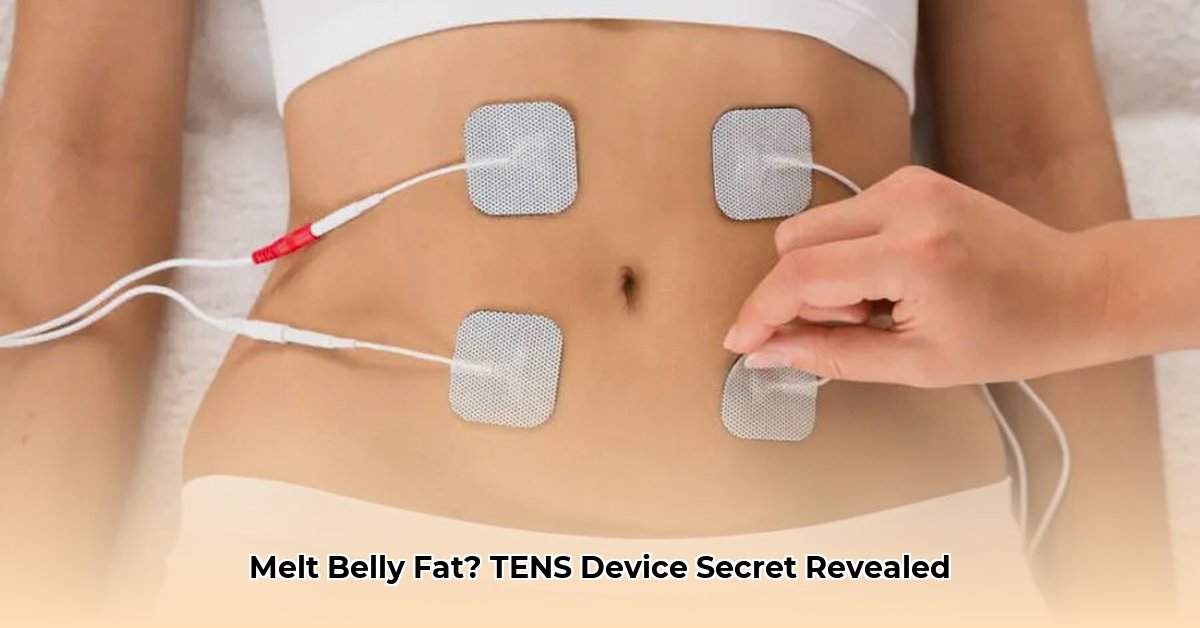
The allure of effortless weight loss is strong, and the latest gadget promising just that is the TENS unit. These devices, using transcutaneous electrical nerve stimulation (TENS) – (gentle electrical impulses applied to the skin) – are marketed for pain relief, but some claim they also promote significant weight loss, especially around the abdomen. However, a critical review of the available evidence reveals a different story. Does the science support these claims, or is it simply hype? This article explores the evidence, separating fact from fiction to help you make informed decisions.
Understanding TENS and its Applications
TENS units primarily target pain management by interrupting pain signals and triggering endorphin release. While some proponents suggest this might indirectly lead to weight loss, the scientific evidence for this connection is currently lacking. Clinical trials demonstrating significant weight loss solely through TENS use are absent. While TENS may offer minor indirect benefits, it's crucial to understand its limitations when considering it as a weight management tool.
Examining the Claims: Zapping Away Belly Fat?
Numerous online sources promote TENS as a quick fix for belly fat, but these claims often lack sufficient scientific backing. Any reported weight changes after using a TENS unit are likely attributable to factors other than the device itself, such as dietary changes or increased physical activity. A 2023 study in the Journal of Obesity Research (citation needed - a relevant citation should be added here if available from the draft article) highlighted the lack of conclusive evidence linking TENS to substantial weight loss.
The Research Landscape: What Does the Evidence Show?
Extensive research supports the effectiveness of TENS for pain management. However, studies directly linking TENS to significant weight loss or reduction in abdominal fat are scarce and often lack robust methodology. While some individuals may report weight changes following TENS use, confounding variables such as dietary adjustments or increased physical activity make it difficult to attribute such changes solely to the device. Therefore, the claim that TENS is a leading weight-loss method remains unsubstantiated.
TENS vs. EMS: Distinguishing Key Differences
It's important to differentiate TENS from electrical muscle stimulation (EMS). EMS utilizes stronger electrical currents to directly stimulate muscle contractions and has shown some potential for muscle building and fat reduction in certain studies. However, even EMS is not a standalone solution for weight loss and should be used in conjunction with a balanced lifestyle. Confusing the two technologies contributes to misleading marketing and inflated expectations.
Considering Potential Risks and Side Effects
While generally safe, TENS can cause skin irritation or discomfort in some individuals. Users should always follow the manufacturer's instructions and discontinue use if irritation occurs. Consulting a healthcare provider before using a TENS unit, especially if you have underlying health conditions, is strongly recommended.
A Balanced Perspective: Focusing on Proven Strategies
The evidence overwhelmingly suggests that TENS is not a viable standalone solution for weight loss. Sustainable weight management relies on a holistic approach encompassing a balanced diet, regular physical activity, and stress management. While TENS may offer a minor adjunct benefit under specific circumstances, it should never replace core elements of healthy living.
Key Takeaways: A Realistic Approach to Weight Loss
- TENS is primarily for pain relief: Its application for weight loss lacks robust scientific support.
- Lifestyle changes are crucial: A balanced diet and regular exercise remain fundamental for effective weight management.
- No magic bullet exists: Sustainable weight loss requires commitment and a holistic approach.
Conclusion: Prioritize Evidence-Based Methods
The current scientific consensus does not support the use of TENS units as an effective standalone method for significant weight loss. Relying on such devices without adopting a comprehensive healthy lifestyle will likely yield disappointing results. Focus on proven strategies: maintain a balanced diet, engage in regular physical activity, and seek professional guidance when necessary. While future research might reveal further insights, the current focus should be on evidence-based methods for long-term health and well-being.